
Sonitrol Alarm System PDF Manual: A Comprehensive Guide
Sonitrol’s detailed PDF manual is a crucial resource, offering comprehensive guidance on operation, installation, and troubleshooting for maximized security and system capabilities.
Sonitrol Alarm Systems represent a significant advancement in security technology, distinguished by their focus on verified alarms and rapid response times. Unlike traditional systems prone to false alarms, Sonitrol employs audio verification, listening in during an alarm event to confirm its legitimacy before dispatching authorities. This innovative approach dramatically reduces false alarm rates, a common frustration with conventional security solutions.

The availability of a comprehensive PDF manual is paramount for users. It serves as a central repository of information, detailing everything from system components and installation procedures to operational guidelines and troubleshooting steps. Accessing this manual empowers users to understand their system fully, optimize its performance, and address minor issues independently. The manual ensures users can leverage the system’s advanced features and maintain a robust security posture, ultimately providing peace of mind.
What is a Sonitrol Alarm System?
A Sonitrol Alarm System is a professionally monitored security solution renowned for its verified alarm technology. It differs from standard alarms by incorporating audio detection; during an alarm event, the system listens in to verify the cause – confirming a break-in versus a false trigger. This audio verification process is key to its exceptionally low false alarm rates and swift police dispatch.
These systems often integrate various security devices, including door and window sensors, motion detectors, and potentially card access controls. The Sonitrol PDF manual details these components and their functionalities. Supporting large installations with numerous devices, Sonitrol offers scalable solutions. Access to the PDF manual is vital for understanding how these elements work together to provide comprehensive protection, ensuring optimal system performance and user confidence.
Importance of the PDF Manual
The Sonitrol Alarm System PDF manual is fundamentally important for all users, serving as a centralized repository of critical information. It provides detailed instructions on system operation, ensuring users can effectively arm, disarm, and manage their security. Beyond basic usage, the manual is essential for understanding installation procedures, troubleshooting common error codes, and configuring advanced settings like zone programming and user codes.

Having readily available access to the PDF manual minimizes reliance on external support, empowering users to resolve issues independently. It’s a vital resource for maximizing the system’s capabilities, reducing false alarms, and maintaining optimal security. The manual ensures users can fully leverage Sonitrol’s advanced features and maintain a secure environment.

System Components & Overview
Sonitrol systems integrate control panels, keypads, diverse sensors (door, window, motion), and utilize cellular, IP, or phone line communication for robust security.
Control Panel Details
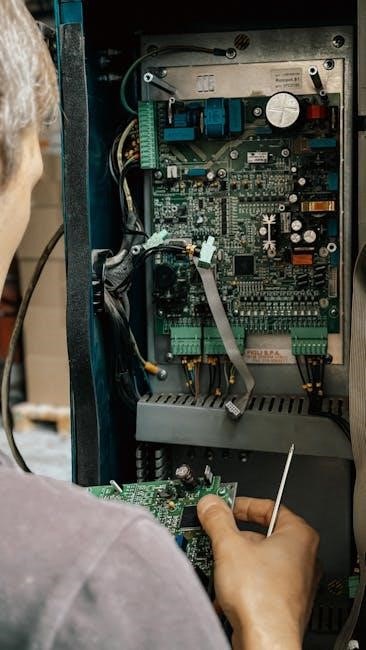
The Sonitrol control panel serves as the central hub of the security system, managing all connected devices and communications. It’s responsible for processing signals from sensors, activating alarms, and communicating with monitoring centers. Detailed schematics within the PDF manual illustrate wiring connections and component locations.
Understanding the panel’s indicators – such as power status, communication status, and alarm conditions – is vital for effective system management. The manual provides a comprehensive explanation of these indicators and their corresponding meanings. Furthermore, it details the panel’s internal components, including the processor, memory, and communication modules.
Configuration options, accessible through the keypad or remote access, are thoroughly documented, allowing users to customize system settings to their specific needs. The manual also outlines procedures for performing system tests and verifying proper functionality of the control panel, ensuring reliable operation.

Keypad Functionality & Programming
The Sonitrol keypad provides the primary interface for user interaction with the alarm system. The PDF manual details each button’s function, covering arming modes (Away, Stay, Night), disarming procedures, and emergency button operation. It explains how to navigate the keypad menu and access various system settings.
Programming user codes is a critical security measure, and the manual provides step-by-step instructions for adding, deleting, and modifying user access. It also covers advanced programming options, such as adjusting entry/exit delays and configuring zone bypass settings. Understanding these settings allows for customization to individual needs.
Troubleshooting keypad issues, like unresponsive buttons or error messages, is also addressed. The manual offers solutions for common problems and guides users through diagnostic procedures. Proper keypad operation and programming are essential for maintaining a secure and user-friendly system.
Sensor Types (Door, Window, Motion)
Sonitrol alarm systems utilize a variety of sensors to detect intrusions. The PDF manual provides detailed information on each type, beginning with door and window contacts. These sensors trigger an alarm when a door or window is opened while the system is armed, relying on magnetic switches for detection.
Motion detectors are also crucial, employing infrared or microwave technology to sense movement within a designated area. The manual explains sensitivity adjustments to minimize false alarms caused by pets or environmental factors. It details optimal placement for maximum effectiveness.
Furthermore, the manual covers specialized sensors like glass break detectors, which respond to the sound of shattering glass. Understanding the function and limitations of each sensor type, as outlined in the manual, is vital for proper system configuration and maintenance, ensuring comprehensive security coverage.
Communication Methods (Cellular, IP, Phone Line)
Sonitrol alarm systems employ diverse communication pathways to transmit alarm signals to a monitoring center. The PDF manual thoroughly explains each method, starting with traditional phone lines, though increasingly less common due to vulnerability and reliance on landline service.
Cellular communication offers a more secure and reliable connection, utilizing a dedicated cellular network. The manual details signal strength considerations and potential interference factors. IP (Internet Protocol) communication, via Ethernet or Wi-Fi, provides another robust option, requiring a stable internet connection.
The manual emphasizes the benefits of dual-path communication – combining cellular and IP – for redundancy and enhanced reliability. It guides users through configuring these communication paths and troubleshooting connectivity issues, ensuring consistent alarm reporting and a swift response in emergency situations.

Installation & Setup
The Sonitrol PDF manual details professional installation procedures, wiring diagrams, and connections, alongside guidance on battery backups and power supply configurations for optimal setup.

Professional Installation vs. DIY
Sonitrol alarm systems, known for their advanced technology and rapid response capabilities, present a crucial decision point for owners: professional installation or a do-it-yourself (DIY) approach. While DIY installation might seem cost-effective initially, the complexity of Sonitrol systems often necessitates the expertise of certified technicians.
Professional installation ensures correct wiring, proper sensor placement for optimal coverage, and accurate system configuration, minimizing false alarms and maximizing security effectiveness. Technicians are trained to interpret the PDF manual’s detailed wiring diagrams and programming instructions, guaranteeing a fully functional system.
Conversely, a DIY approach requires a strong understanding of electrical systems and security protocols. Incorrect installation can compromise the system’s integrity, leading to vulnerabilities and potential false alarm penalties. The PDF manual provides guidance, but lacks the hands-on experience a professional brings. Ultimately, professional installation offers peace of mind and reliable protection, while DIY carries inherent risks.
Wiring Diagrams & Connections
The Sonitrol alarm system PDF manual dedicates significant detail to wiring diagrams and connection specifications, crucial for both professional installers and technically inclined DIY enthusiasts; These diagrams illustrate the precise connections required between the control panel, sensors (door, window, motion), communication modules (cellular, IP, phone line), and power sources.
Understanding these diagrams is paramount for a functional system. The manual meticulously outlines wire gauges, color codes, and terminal assignments. Incorrect wiring can lead to system malfunctions, false alarms, or complete failure. Diagrams often differentiate between normally open (NO) and normally closed (NC) sensor configurations, impacting alarm triggering logic.
Furthermore, the manual details power supply connections, including battery backup integration, ensuring uninterrupted operation during power outages. Careful adherence to these wiring instructions, as depicted in the PDF, is essential for a secure and reliable Sonitrol system.
Battery Backup & Power Supply
The Sonitrol alarm system PDF manual provides extensive information regarding the system’s power supply and crucial battery backup functionality. It details the required voltage and amperage for the main power adapter, emphasizing the importance of using only the specified power source to avoid damaging the control panel or other components.
A significant portion focuses on the battery backup system, explaining its role in maintaining security during power outages. The manual specifies the battery type, capacity, and expected lifespan, alongside instructions for periodic testing and replacement. Proper battery maintenance is vital for ensuring continuous protection.
Wiring diagrams illustrate the correct connection of the battery, and troubleshooting sections address common power-related issues. The manual stresses the importance of a functioning battery backup for reliable alarm operation, particularly in areas prone to power disruptions.

Operation & Troubleshooting
The Sonitrol PDF manual expertly guides users through arming, disarming, understanding alarm responses, resolving error codes, and minimizing false alarm occurrences.
Arming & Disarming Procedures
Sonitrol alarm systems offer varied arming options, detailed within the PDF manual, including stay, away, and instant modes, catering to diverse security needs. The manual meticulously outlines keypad entry sequences for each mode, ensuring proper activation and deactivation. It emphasizes the importance of confirming system status after each operation, preventing accidental vulnerabilities.
Disarming procedures are equally crucial, with the manual stressing the necessity of using authorized user codes to avoid triggering false alarms. Step-by-step instructions are provided for both standard disarming and emergency disarming scenarios. Furthermore, the manual details procedures for managing multiple user codes and access levels, enhancing security control. Understanding these procedures, as outlined in the PDF, is paramount for effective system operation and peace of mind.
Understanding Alarm Signals & Responses
The Sonitrol PDF manual thoroughly explains the different alarm signals generated by the system, differentiating between intrusion, fire, and medical emergencies. It details the corresponding visual and audible indicators on the control panel and keypad, enabling quick identification of the alarm type. Crucially, the manual clarifies Sonitrol’s unique verified alarm response protocol, emphasizing its rapid police dispatch capabilities due to audio verification.
It outlines the expected response sequence following an alarm activation, including central station notification and emergency services dispatch. The manual also provides guidance on what actions users should take during an alarm event, prioritizing safety and cooperation with authorities. Understanding these signals and responses, as detailed in the PDF, is vital for a swift and effective reaction to potential threats, minimizing risk and damage.
Common Error Codes & Solutions
The Sonitrol alarm system PDF manual dedicates a section to deciphering common error codes displayed on the control panel and keypad. These codes indicate various system malfunctions, ranging from sensor issues (low battery, tamper) to communication failures (cellular, IP, phone line). The manual provides a detailed table listing each error code, its corresponding description, and step-by-step troubleshooting instructions.
Solutions range from simple fixes like replacing batteries or checking wiring connections to more complex procedures requiring professional assistance. The manual emphasizes the importance of not attempting repairs beyond one’s technical capabilities. It also advises users to document error codes and attempted solutions before contacting Sonitrol support, streamlining the troubleshooting process and ensuring efficient resolution of system issues.
False Alarm Prevention & Reduction
The Sonitrol alarm system PDF manual places significant emphasis on minimizing false alarms, recognizing their inconvenience and potential fines. It details best practices for sensor placement, advising against positioning motion detectors near heat sources or windows with direct sunlight. Proper door and window sensor alignment is also crucial.
The manual outlines the importance of educating all users on correct arming and disarming procedures, emphasizing sufficient exit/entry delay times. It recommends regularly testing the system to ensure proper functionality and promptly addressing any identified issues. Furthermore, the manual details how to utilize zone programming to differentiate between areas, reducing the impact of accidental triggers. Sonitrol’s focus is on verified alarms, minimizing unnecessary dispatches.
Advanced Features & Settings
The Sonitrol PDF manual details zone programming, user code management, remote access options, and seamless integration with modern smart home automation devices.
Zone Programming & Configuration
Sonitrol alarm systems utilize sophisticated zone programming, allowing users to customize security parameters for each protected area within a property. The PDF manual provides detailed instructions on defining zone types – instant, entry/exit, interior, and 24-hour – to tailor alarm responses appropriately.
Configuration involves assigning specific sensors to zones, setting sensitivity levels, and establishing communication protocols. Users can define bypass options for zones requiring temporary deactivation, such as during maintenance or when pets are present. The manual emphasizes the importance of accurate zone mapping to ensure precise alarm identification and minimize false triggers.
Advanced settings include configuring zone loops for enhanced tamper protection and establishing cross-zoning rules to require multiple zone activations before triggering a full alarm; Proper zone programming, as detailed in the manual, is critical for optimizing system performance and ensuring a reliable security posture.
User Code Management
Sonitrol alarm systems offer robust user code management features, detailed within the PDF manual, enabling personalized access control. The manual guides users through creating unique PIN codes for family members, employees, or trusted individuals, assigning specific access levels to each. Master codes provide administrative privileges for system programming and configuration.
The manual stresses the importance of selecting strong, non-sequential codes and regularly updating them to prevent unauthorized access. Features include the ability to temporarily disable codes, set expiration dates, and track user activity logs. Detailed instructions cover adding, deleting, and modifying user codes via the keypad or remote access options;
Proper user code management, as outlined in the manual, is crucial for maintaining system security and accountability, ensuring only authorized personnel can arm, disarm, or modify system settings.
Remote Access & Control Options
The Sonitrol alarm system PDF manual details various remote access and control options, enhancing user convenience and security. These typically include smartphone applications allowing users to arm/disarm the system, receive real-time alerts, and view system status from anywhere with an internet connection.
Web-based portals offer similar functionality, providing a browser-based interface for system management. The manual explains setup procedures for these remote access features, emphasizing secure connection protocols and password protection. Integration with smart home devices, like voice assistants, may also be covered, enabling voice-controlled arming/disarming.
Detailed instructions guide users through troubleshooting connectivity issues and customizing notification preferences. Remote access, as described in the manual, provides peace of mind and proactive control over home or business security.
Integration with Smart Home Devices
The Sonitrol alarm system PDF manual increasingly addresses integration with popular smart home ecosystems. This connectivity allows for centralized control of security alongside other smart devices, such as lighting, thermostats, and door locks, streamlining home automation.
The manual details compatibility with platforms like Amazon Alexa and Google Assistant, enabling voice commands for arming, disarming, and checking system status. It outlines the setup process, including linking the Sonitrol account to the smart home platform and configuring voice commands.
Furthermore, the manual explains how to create automated routines, triggering security actions based on events from other smart devices. This integration enhances convenience and provides a more comprehensive, interconnected security solution, as detailed within the PDF guide.
Manual Resources & Support
The Sonitrol PDF manual is readily available online, alongside comprehensive contact information for dedicated support and frequently asked questions for assistance.
Locating the Official PDF Manual
Finding the official Sonitrol alarm system PDF manual is paramount for comprehensive understanding and effective system management. While direct links can vary, a thorough search on the official Sonitrol website is the primary recommended approach. Users should navigate to the support or resources section, often categorized by product or system type, to locate the appropriate documentation.
Alternatively, utilizing search engines with specific keywords like “Sonitrol alarm system PDF manual” coupled with the model number, if known, can yield relevant results. Be cautious when downloading from third-party websites, ensuring the source is reputable to avoid potentially compromised files. The manual provides invaluable insights into system operation, troubleshooting, and advanced configuration options, empowering users to maximize their security investment. Always prioritize the official Sonitrol resources for accurate and up-to-date information.
Sonitrol Contact Information & Support
For direct assistance with your Sonitrol alarm system, reaching out to their dedicated support team is crucial. According to available information, Sonitrol Pacific can be contacted at 800.898.1899 for inquiries regarding access cards, system questions, or general support needs. Beyond phone support, exploring the official Sonitrol website is recommended for accessing a wealth of resources, including FAQs, troubleshooting guides, and potentially online chat options.
Depending on your region, local Sonitrol dealers may also offer personalized support and installation services. Utilizing these local resources can provide tailored assistance specific to your system configuration. Remember to have your system details readily available when contacting support to expedite the resolution process and ensure efficient assistance with any concerns or issues.
Frequently Asked Questions (FAQ)
Q: Where can I find the official Sonitrol PDF manual? A: The official PDF manual is best located through the Sonitrol website or by contacting Sonitrol Pacific directly at 800.898.1899. Q: What should I do if my access card is lost or stolen? A: Immediately report a lost or stolen access card to Sonitrol Pacific to prevent unauthorized access. Do not write any identifying information on the card itself.
Q: What systems does Sonitrol integrate with? A: Sonitrol systems are designed for broad compatibility, integrating with numerous security devices and potentially smart home platforms. Q: What if I experience false alarms? A: Refer to the manual for false alarm prevention tips and contact support if issues persist. Proper system configuration and user training are key.